BreAro Diesel Heater Installation Guide for Camper Vans and RVs
Dec 26,2024 | Brearo
Diesel heaters are an economical and efficient heating solution, especially suitable for camper vans and outdoor camping. This guide will walk you through the installation steps, precautions, and ways to optimize their performance.
Why Choose a Diesel Heater?
⛺ Perfect for Outdoor Use: Diesel heaters are ideal for camper vans and can direct hot air into tents through ducts, making them versatile for various outdoor camping environments. Even in cold weather, they provide consistent warmth and comfort.
🔥 Efficient Heating: Quickly raises the temperature inside the van or camper.
⛽ Low Fuel Consumption: Energy-efficient, providing long-lasting heat without frequent refueling.
🔧 Multi-Functionality: Suitable for camper vans, tents, trucks, boats, and other scenarios.
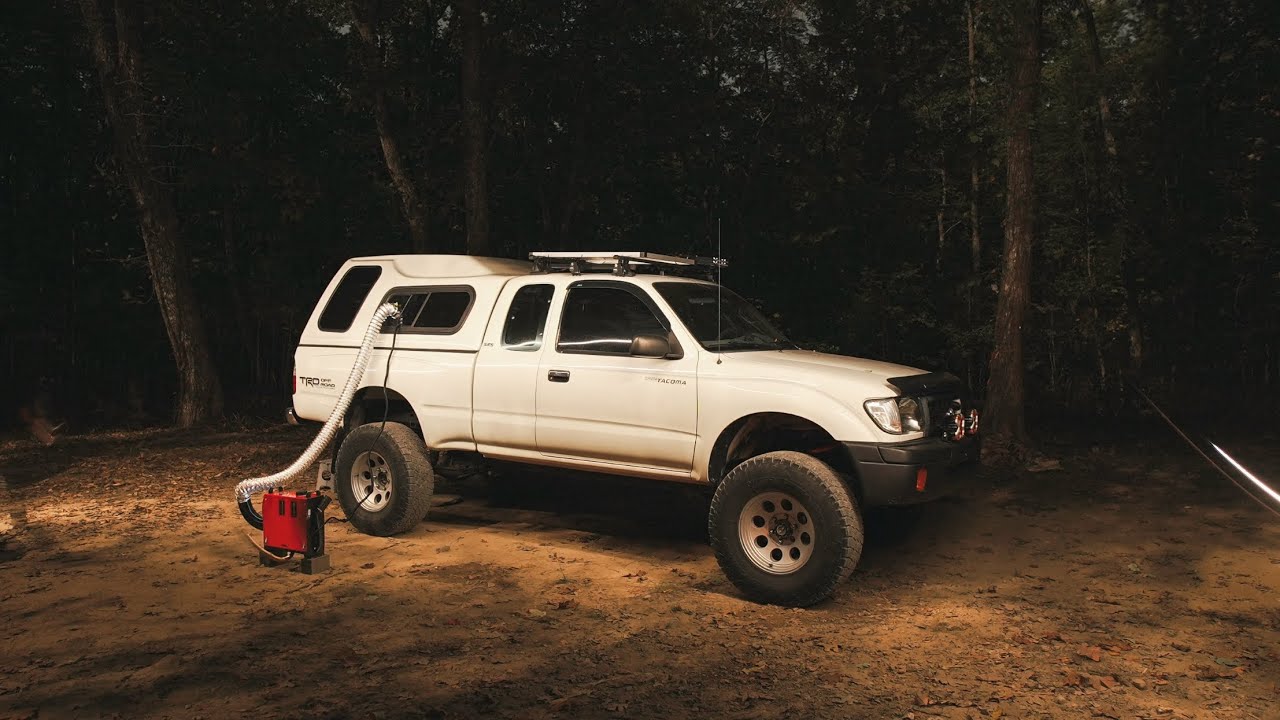 Credit: @ConnorLee
Preparation Before Installation
Before installing the diesel heater, complete the following preparations:
- Tool Checklist ⚙️ :
- Drill, screwdriver, and electrical tools (e.g., wire crimpers)
- Installation Components:
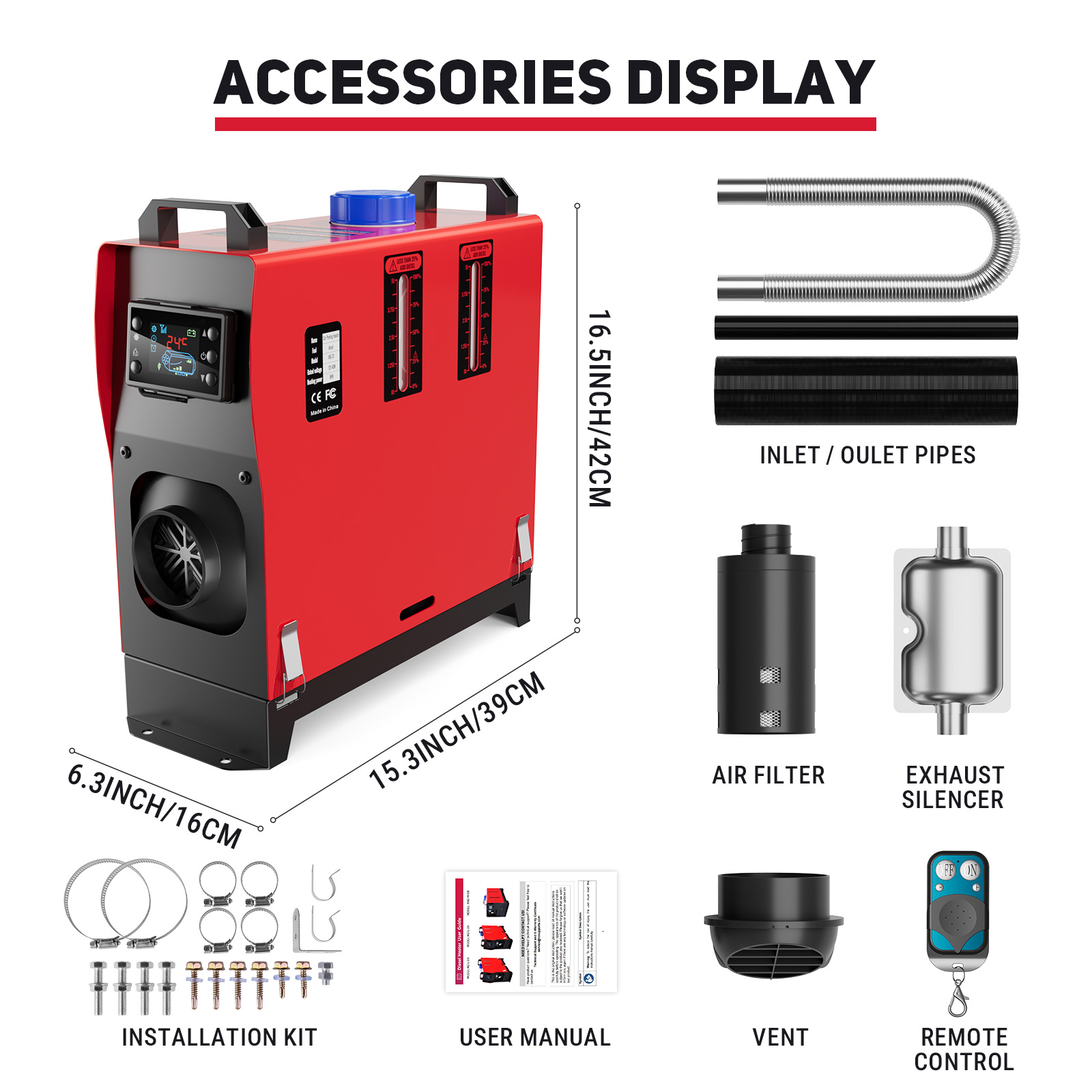
- Diesel heater unit
- Intake pipe, exhaust pipe, fuel pipe
- Silencer, remote control
- Mounting brackets and clamps
- Insulation materials (e.g., heat-resistant blankets or wraps)
Choosing the Installation Location
- Exterior Installation:
- Rear of the vehicle: This is suitable for vehicles with extra storage space. The unit is kept away from the cabin to enhance safety.
- Ventilation Requirements: Ensure the installation area has adequate airflow to prevent heat buildup.
- Base Height: The bottom of the diesel heater should be at least 10-15 cm (6 inches) off the ground to prevent the floor from overheating and ensure proper ventilation and heat dissipation.
Installation Steps 🔧
Step 1: Preparing Holes
- When installing the diesel heater, it is recommended to add 6-inch (10-15 cm) wooden blocks or brackets at the base and secure them with a drill to ensure the heater is at a safe height from the ground.
Step 2: Piping Installation
- Interior Installation: Connect the intake pipe and air filter, ensuring all connections are sealed properly. The hot air outlet should use metal pipes to direct heat into the cabin.
- Exterior Installation: Use high-temperature-resistant exhaust pipes to discharge waste gases outside and wrap them with insulation materials to protect the surrounding environment.
Step 3: Exhaust System Arrangement
- Install the exhaust pipe, wrapping it with heat-resistant materials to prevent excessive heat from affecting the surrounding environment.
- Add a silencer to reduce noise.
Step 4: Electrical Connection
- Follow the manual to connect the heater to the power source (12V or 24V).
- Add a fuse for safety.
Step 5: System Testing
- Start the diesel heater and check whether it ignites, operates, and exhausts properly.
Credit: @ConnorLee (Heating Up the Adventure: Installing a BerAro Diesel Heater in My Tacoma Truck Camper!)
FAQs ❓
Q1: How high should the diesel heater be to prevent overheating?
- Base height requirement: At least 10-15 cm (6 inches). Add an insulating board between the floor and the heater to prevent overheating.
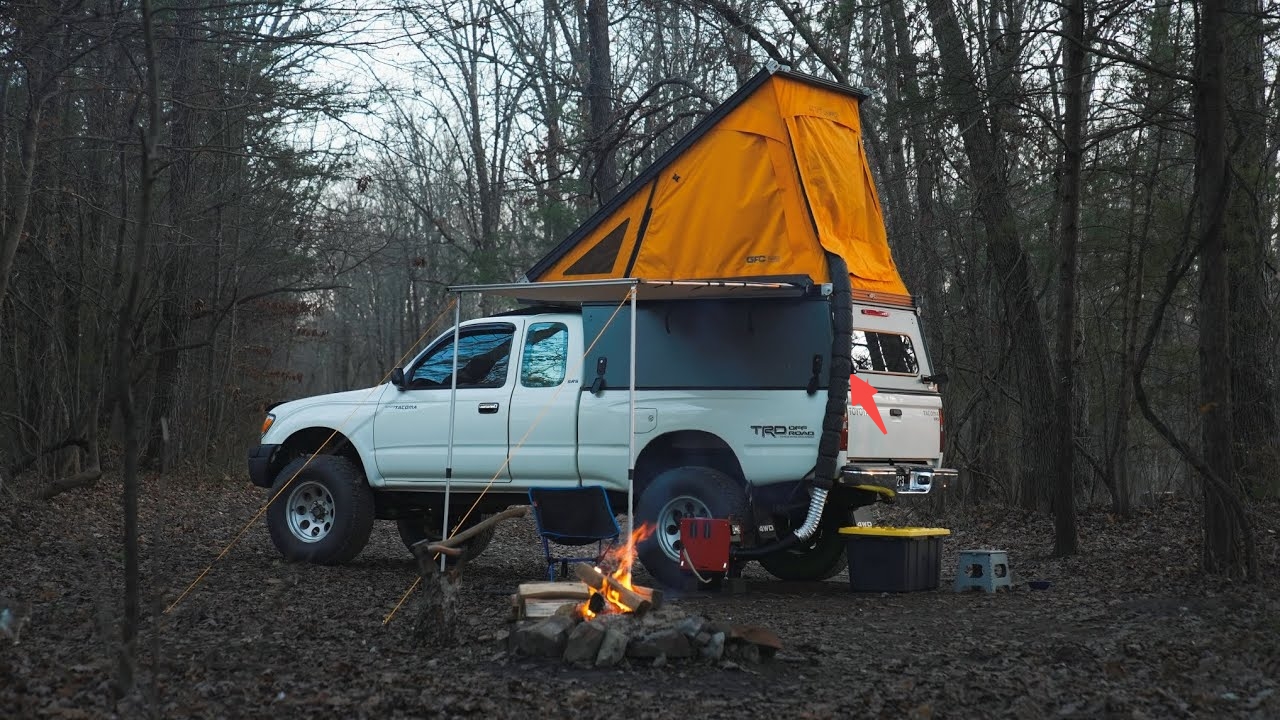
Q2: How to safely extend the hot air duct into a tent?
- Use high-temperature-resistant, insulated flexible ducts, and wrap the exterior with heat-resistant blankets to prevent the tent material from melting.
Credit: @ConnorLee
Q3: How to prevent the exhaust pipe from overheating?
- Install an exhaust silencer and wrap the pipe exterior with insulation materials to protect the vehicle's chassis.
Q4: What if the noise level is too high?
- Add a silencer at the end of the exhaust pipe.
Q5: How to prevent diesel leakage during bumpy rides?
- Add a seal to the fuel tank cap and tighten it to prevent fuel spillage during bumps.
.gif?w=400&h=225&_f=1) Credit: @ConnorLee
Credit: @ConnorLee
Q6: Can the diesel heater be placed inside a tent?
- Absolutely not! Diesel heaters must always be placed outside the tent, but hot air can be directed into the tent using ducts to ensure safe operation.
Q7: How to protect intake and exhaust pipes in windy camping locations?
- In windy environments, add a windshield or cover to the heater's intake pipe to reduce the impact of strong winds. Position the exhaust pipe downwind to prevent waste gases from flowing back.
Safety Precautions ⚠️
- Ensure Ventilation for Safety: Avoid carbon monoxide buildup; install a carbon monoxide detector if necessary.
- Exhaust Port Placement: Ensure the exhaust port is far from cabin openings.
- Regular Inspection: Check fuel lines and exhaust pipes for leaks.
Maintenance and Care Tips
- Clean Carbon Deposits: Regularly clean the combustion chamber and exhaust pipes to prevent blockages.
- Check Connections: Ensure fuel lines and electrical connections are tight and secure.
- Test Operation: Run the heater periodically after long periods of inactivity to ensure proper operation.
Summary and Tips
Installing a diesel heater not only enhances the comfort of winter camping in your camper van but also significantly improves your travel convenience. However, it is essential to pay close attention to safety and installation details during the process. For more information, refer to our previous Diesel Heater Recommendation Guide.
Inspiration Behind This Blog
This blog was inspired by the increasing demand for practical heating solutions among outdoor enthusiasts and camper van travelers. It is based on feedback from real-life users, industry research, and insights into the challenges faced during winter camping. Our goal is to provide clear, actionable advice to make your outdoor adventures safer and more enjoyable.
Comment